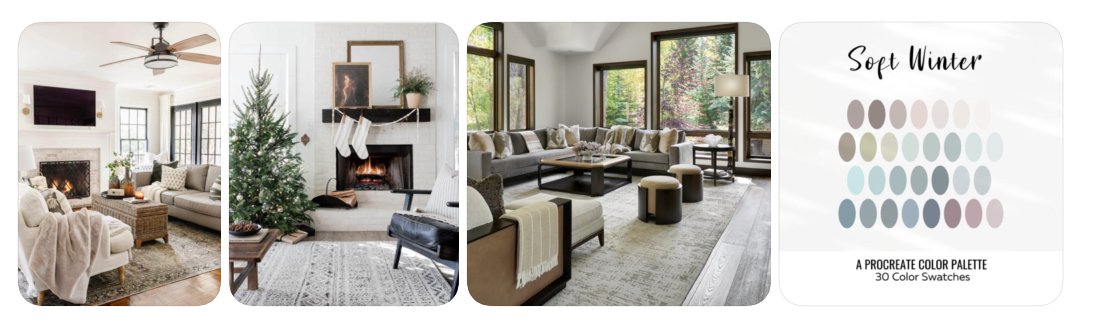
January is the quiet inhale after December’s long exhale. The ornaments are packed away, the lights dimmed, and what remains is the home itself—its bones, its textures, its ability to hold us through the coldest weeks of the year. This is not a month for dramatic reinvention. January interiors are about refinement, warmth, and intention. About learning how to live well inside the pause. Rather than rushing to replace what the holidays have taken away, winter asks us to layer like the snow outside the window —to soften rooms, deepen comfort, and let light move gently through our spaces. Designing for…
-
-
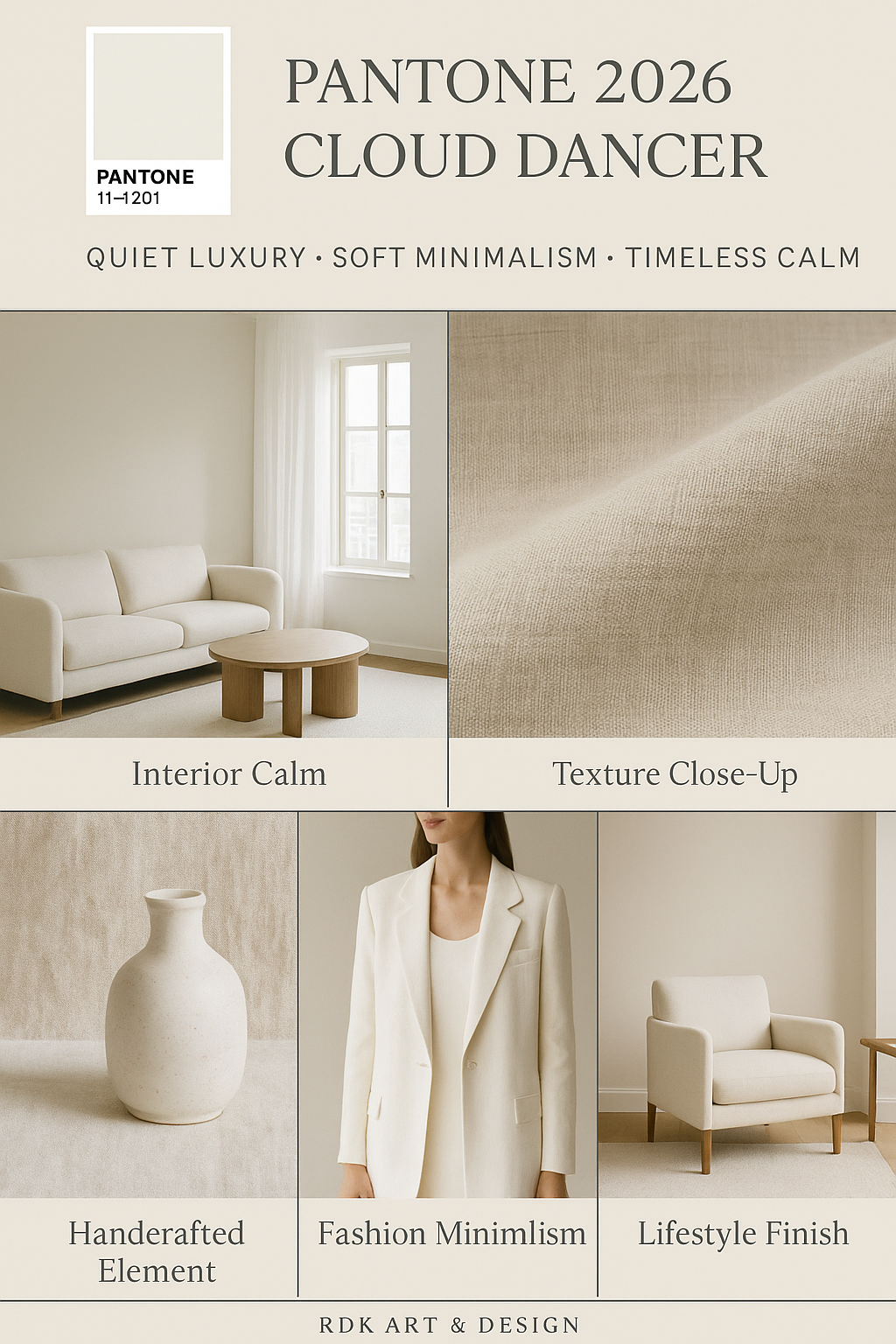
Every year since 1999, the Pantone Color Institute has selected a color intended to reflect the mood, aspirations, and cultural undercurrents of the year ahead. From bold hues like Viva Magenta to comforting tones like Mocha Mousse, these colors have shaped everything from runway collections to interior design palettes. For 2026, Pantone has made a surprising and deeply symbolic choice: Cloud Dancer, a soft, ethereal shade of white. What Is Cloud Dancer? Cloud Dancer — officially PANTONE 11-4201 — is described by Pantone as a “lofty white neutral” with an airy quality that acts like a “whisper of calm and peace in a noisy world.” It’s not stark or clinical, but…
-
How Designers Use Rust, Ochre, Burgundy & Moss Green — And the Art History Behind Them Every autumn, interior design undergoes a quiet transformation. Soft summer hues give way to richer, moodier tones that echo the changing landscape outside. Rust, ochre, burgundy, and moss green emerge like seasonal old friends, each carrying centuries of artistic tradition and emotional resonance. These colors are not merely trendy—they are steeped in art history, symbolism, and cultural meaning that designers continue to draw upon today. The Natural Roots of Autumn’s Palette Autumn’s colors begin with nature’s own transformation—fallen leaves, fading fields of grain, and…
-
A Thanksgiving table is more than a place to gather—it is a visual celebration of gratitude, abundance, and connection. A well-designed tablescape has the power to set the emotional tone for the entire holiday, transforming a simple meal into a cherished memory. Whether you prefer the layered richness of classical design or the quiet refinement of minimalism, a thoughtful approach to color, texture, and composition makes the Thanksgiving table feel truly meaningful. Classical Thanksgiving Tablescapes: Rich, Layered, and Timeless Classical tablescapes draw inspiration from European historic dining traditions—ornate linens, gilded accents, natural greenery, and artful layering. This style embraces abundance…
-
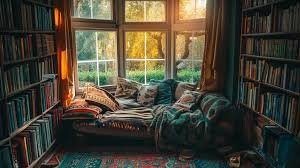
There is something undeniably magical about a well-designed reading nook. It is the rare space that belongs entirely to quiet moments. It’s where the world slows, the senses soften, and the imagination opens. Whether carved into the corner of a living room, framed beneath a window, or tucked into an unexpected architectural pocket, a cozy reading nook is more than a décor trend. It is a personal sanctuary for book lovers, shaped by comfort, beauty, and intentional design. The heart of any reading nook begins with seating that invites lingering. In many homes, this means a plush armchair with deep…
-
Tile has long held a place in human history—not just as a practical material but also as a medium for art, storytelling, and cultural expression. From ancient temples to modern kitchens, tile has bridged the gap between functionality and beauty, offering surfaces that endure while capturing the essence of artistic traditions across civilizations. Ancient Origins of Tile The story of tile begins thousands of years ago. Some of the earliest examples come from Mesopotamia and Egypt, where artisans decorated clay bricks with intricate patterns and glazes. By 4000 BCE, Egyptians were producing glazed bricks in vibrant turquoise blues, often used to adorn tombs…
-
When we think of Gothic design, our minds often conjure images of medieval cathedrals, shadowy castles, and ornate tracery glowing in candlelight. But Gothic design isn’t just locked away in history—it’s experiencing a modern revival, reimagined for contemporary interiors, architecture, and lifestyle aesthetics. The Gothic Spirit, Reborn At its heart, Gothic design is about contrast—dark against light, mystery against clarity, intricacy against minimalism. Modern reinterpretations lean into this duality by blending the dramatic allure of Gothic arches, pointed windows, and ornate detailing with clean lines, open spaces, and sleek finishes. Imagine blackened steel staircases paired with floor-to-ceiling windows, or traditional…
-
Few art forms have the ability to transform light into pure storytelling like stained glass. From the jewel-toned windows of Gothic cathedrals to the sleek geometric designs of modern architecture, stained glass has illuminated sacred spaces, civic buildings, and private homes for over a thousand years. Its history is not just a tale of artistry—it’s a chronicle of technological innovation, cultural symbolism, and enduring human fascination with light. Ancient Origins: Glass Before Color The story of stained glass begins long before the Middle Ages. Ancient civilizations such as the Egyptians and Romans mastered the production of colored glass, using metallic…
-
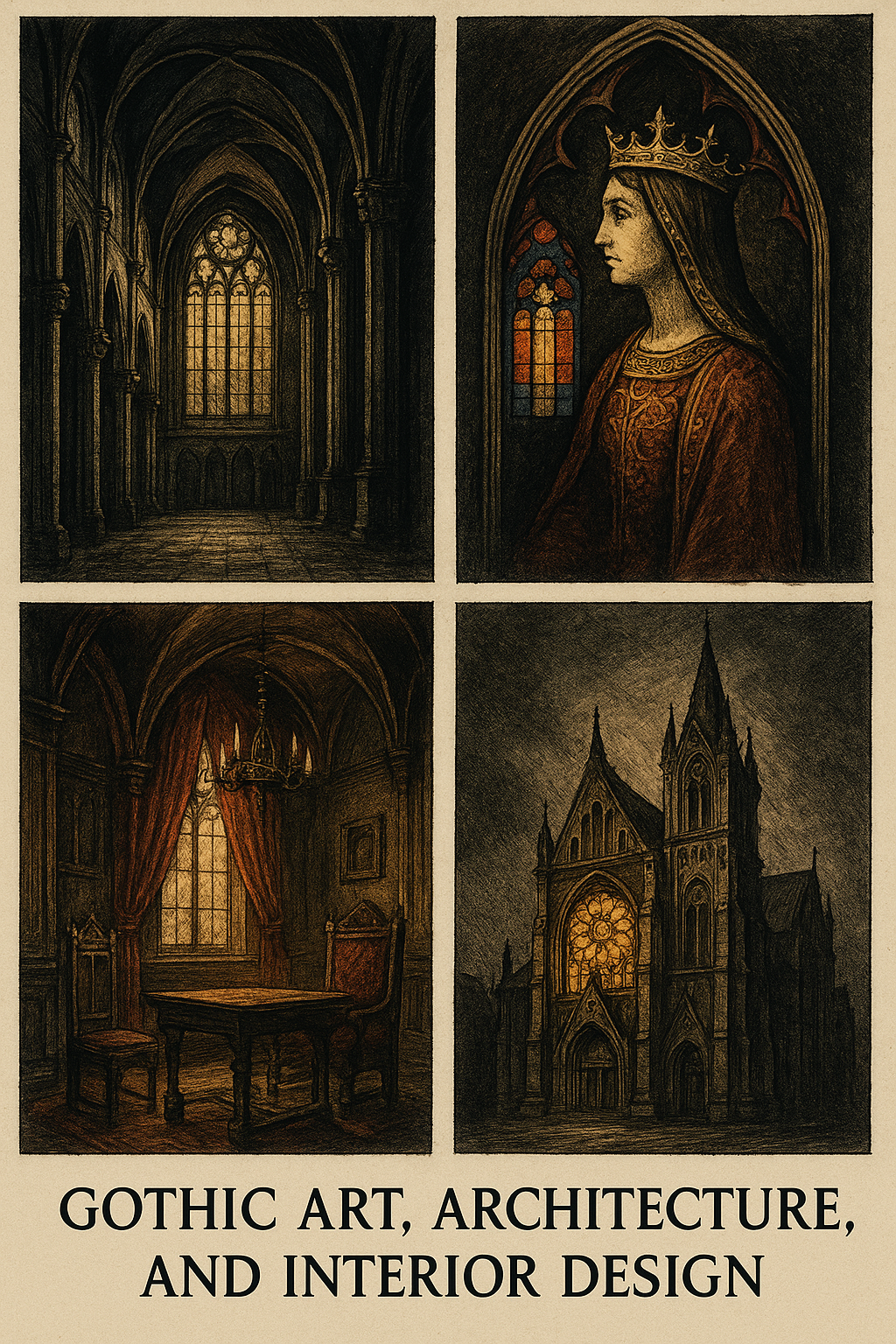
Few styles capture the imagination as powerfully as Gothic. Emerging in medieval Europe, Gothic art and architecture married soaring ambition with intricate craftsmanship, creating spaces that felt at once awe-inspiring and deeply spiritual. From the pointed arches of towering cathedrals to the atmospheric interiors of neo-Gothic revival homes, this style has left an indelible mark on art, design, and our collective cultural imagination. This is truly one of my favorite art styles. Origins of Gothic Style Gothic art and architecture flourished between the 12th and 16th centuries, beginning in France before spreading across Europe. The style developed as a departure from the…
-
In today’s fast-paced, screen-saturated world, the spaces we inhabit hold more power than ever to influence our mental, emotional, and physical health. From corporate offices to family homes, the principles of wellness-focused architecture are reshaping how designers approach the built environment. The question is no longer how does it look? but rather how does it make you feel? Welcome to the age of wellness architecture—where form meets function to nurture well-being. In this article, we’ll explore how cutting-edge design elements like circadian lighting, natural ventilation, and thoughtful spatial layouts are transforming spaces into sanctuaries of health and happiness. Let’s explore… 1. The Rise of Wellness Architecture Wellness architecture…