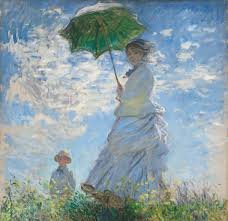
There is perhaps no artistic movement more intrinsically tied to summer than Impressionism. It is a movement defined not by rigid form or historical grandeur, but by light in motion, fleeting beauty, and the quiet luxury of leisure. In a season where days stretch longer and the sun reshapes every surface it touches, Impressionism feels not just relevant—but essential. For those of us working in art and design, the Impressionists offer more than inspiration; they provide a framework for seeing. A way to interpret space, color, and atmosphere that translates seamlessly from canvas to interior. The Birth of a Summer…
-
-
January is the quiet inhale after December’s long exhale. The ornaments are packed away, the lights dimmed, and what remains is the home itself—its bones, its textures, its ability to hold us through the coldest weeks of the year. This is not a month for dramatic reinvention. January interiors are about refinement, warmth, and intention. About learning how to live well inside the pause. Rather than rushing to replace what the holidays have taken away, winter asks us to layer like the snow outside the window —to soften rooms, deepen comfort, and let light move gently through our spaces. Designing for…
-
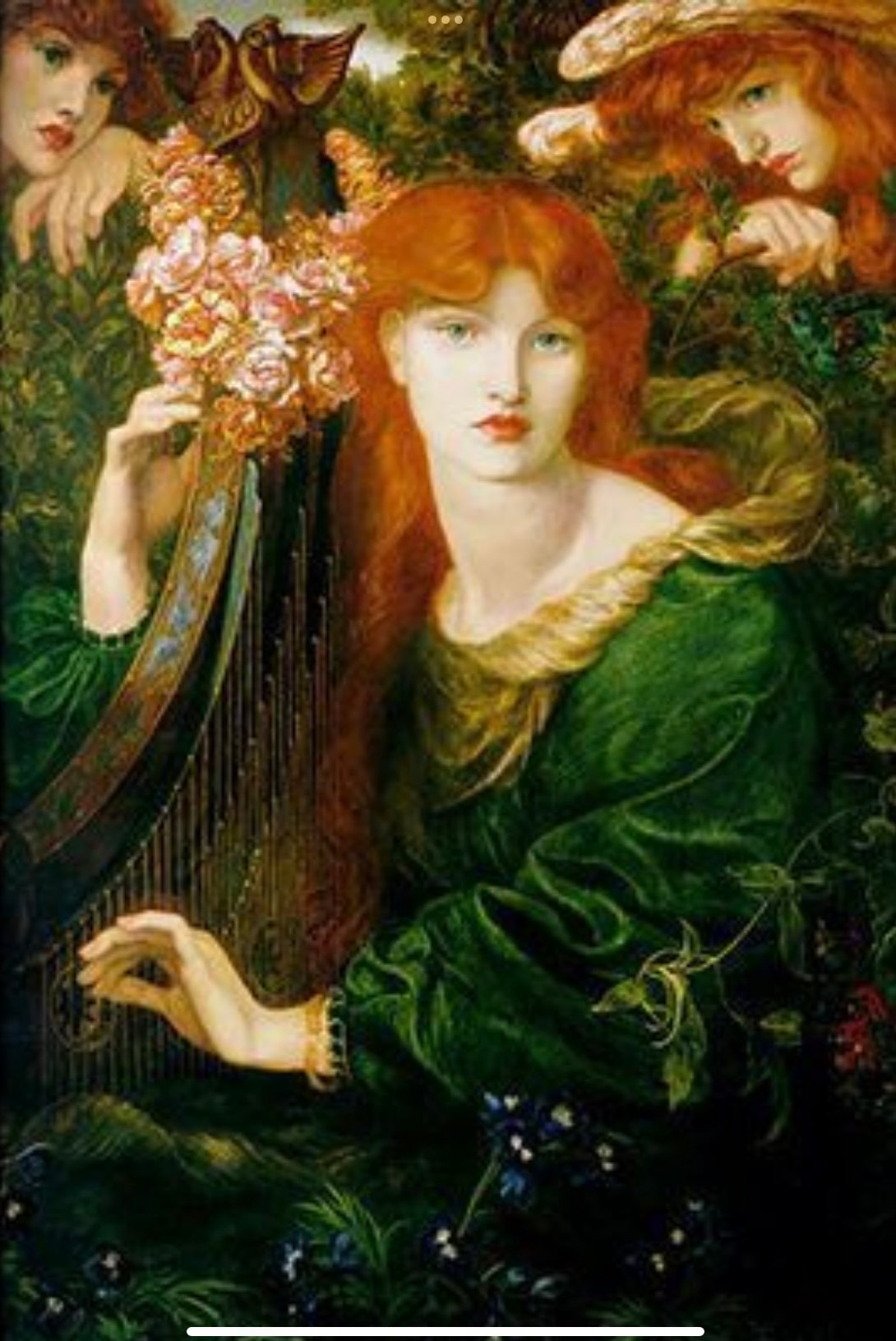
Aestheticism, Romantic Landscapes, and Dutch Winter Scenes Winter has long stirred artists toward introspection, restraint, and emotional depth. Snow-covered fields, hushed interiors, and frost-bitten horizons offer a visual language uniquely suited to mood, symbolism, and beauty for beauty’s sake. For artists, designers, and art lovers alike—especially those drawn to atmosphere and storytelling—winter art movements provide enduring inspiration. Below are three winter-aligned movements worth exploring this season, each offering its own visual philosophy and emotional temperature. Enjoy. Aestheticism: Beauty in Stillness Emerging in the late 19th century, Aestheticism championed the idea of “art for art’s sake.” Rather than moral narratives or historical grandiosity, aesthetic artists…
-
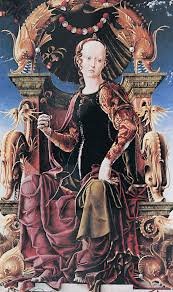
A Singular Voice in the Italian Renaissance While Florence had Botticelli and Leonardo, and Venice would soon boast Bellini and Giorgione, the small court of Ferrara in northern Italy fostered its own brilliant, if lesser-known, school of painting. At its heart stood Cosimo Tura (c.1430–1495)—a painter of rare imagination whose work fused Gothic elegance with a restless, metallic energy that set him apart from his contemporaries. Known as Il Cosmè, Tura’s paintings are unforgettable: figures clad in sculptural draperies that seem hammered from bronze, faces with crystalline expressions, and landscapes glowing with eerie, supernatural light. His art defied easy classification—it was both austere and…
-
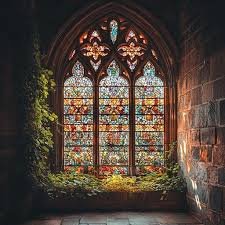
Few art forms have the ability to transform light into pure storytelling like stained glass. From the jewel-toned windows of Gothic cathedrals to the sleek geometric designs of modern architecture, stained glass has illuminated sacred spaces, civic buildings, and private homes for over a thousand years. Its history is not just a tale of artistry—it’s a chronicle of technological innovation, cultural symbolism, and enduring human fascination with light. Ancient Origins: Glass Before Color The story of stained glass begins long before the Middle Ages. Ancient civilizations such as the Egyptians and Romans mastered the production of colored glass, using metallic…
-
Piet Mondrian is a name synonymous with pure abstraction and geometric harmony. Best known for his grid-based compositions featuring bold black lines and primary colors, Mondrian’s art embodies a quest for universal beauty and balance. His work laid the foundation for countless design disciplines, from modernist architecture to minimalist fashion and graphic design. But behind the strict geometry lies a deeply spiritual and philosophical artist whose journey from naturalism to abstraction tells a story of intellectual rigor and visionary transformation. A Life in Search of Harmony: Piet Mondrian’s Biography Early Life and Training (1872–1908) Pieter Cornelis Mondrian was born on…
-
From grainy daguerreotypes to high-resolution digital imagery, photography has transformed the way we see and understand the world. More than just a technological achievement, photography is a powerful art form, a witness to history, and a mirror of human expression. In this post, let’s journey through the evolution of photography—its milestones, innovations, and the legendary photographers who helped shape its artistic legacy. 1. The Birth of Photography: Capturing Light and Time The roots of photography stretch back to the camera obscura, a device used as early as the 11th century to project images onto a surface. But it wasn’t until the 19th century that…
-
Published on RK Art & Design In the vast world of photography, where digital immediacy often overshadows the essence of storytelling, Sebastião Salgado remains a towering figure—a visual poet and humanitarian with a camera. His work transcends the medium, reaching into the soul of humanity and pulling out truths that are both beautiful and brutal. To explore Salgado’s photography is to take a journey through suffering, resilience, and awe-inspiring landscapes that mirror the resilience of life on Earth. A Journey Rooted in Humanity Born in Aimorés, Brazil in 1944, Sebastião Salgado did not begin his career as a photographer. He…
-
Cindy Sherman is one of the most influential contemporary photographers, renowned for her thought-provoking work that explores themes of identity, gender, and societal roles. By using herself as the subject in meticulously staged photographs, Sherman challenges the viewer to question how images, especially those in media and culture, shape our understanding of identity and reality. I had never heard about her myself so together let’s delve into Sherman’s artistic journey, her groundbreaking series, and the enduring impact of her work. Early Life and Artistic Beginnings Cindy Sherman was born on January 19, 1954, in Glen Ridge, New Jersey, and raised…
-
Michelangelo Buonarroti, one of the most celebrated artists of the Renaissance, left an indelible mark on art history. Known for his breathtaking sculptures, monumental frescoes, and profound architectural designs, Michelangelo embodied the spirit of the Renaissance—a period of rediscovery, innovation, and artistic brilliance. Come with me as we explore Michelangelo’s life, artistic achievements, and the enduring legacy of his work. A Brief Biography Michelangelo was born on March 6, 1475, in Caprese, Italy. Despite his father’s hopes that he would enter a more conventional career, Michelangelo was drawn to art from an early age. At 13, he apprenticed under Domenico…