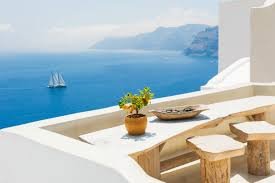
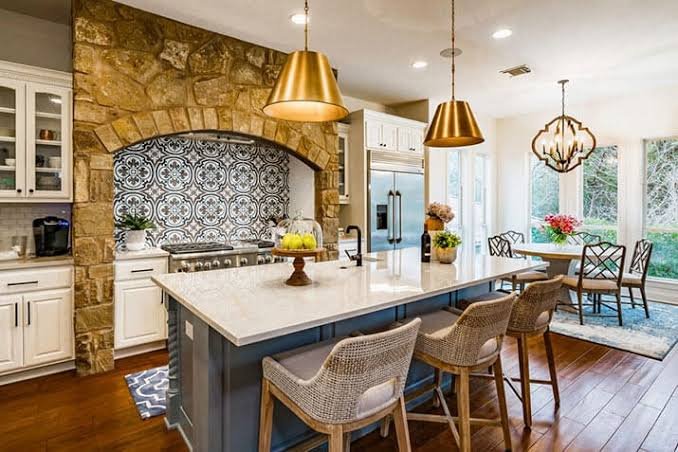
The Mediterranean kitchen is not simply a place to cook—it is a space shaped by ritual, season, and the quiet rhythm of daily life. In summer, it becomes something more: open, sunlit, and deeply connected to the outdoors. Unlike modern kitchens that often prioritize sleekness and concealment, Mediterranean kitchens embrace material honesty, visible function, and lived-in beauty. They are designed to be used, not staged—where preparation, gathering, and conversation unfold seamlessly. Let’s dive into some fundamentals of designing a kitchen with a Mediterranean flair. A Foundation of Stone, Plaster, and Time At the heart of a Mediterranean kitchen is its…
-
-
Coastal design has long been synonymous with summer—salt air, sun-bleached textures, and an easy sense of escape. Yet somewhere along the way, the style became diluted into predictable motifs: anchors, rope décor, overt nautical stripes, and an overreliance on bright blues and whites. True coastal design, however, is far more nuanced. It is not about decorating with the sea—it is about capturing its atmosphere. The softness of light, the erosion of materials, the quiet palette of sand, stone, and sky. When approached with restraint and intention, coastal influence becomes one of the most sophisticated and enduring design languages for summer. Moving…
-
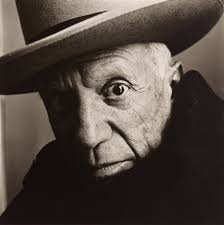
Few photographers shaped twentieth-century visual culture with the precision and quiet sophistication of Irving Penn. Known for his minimalist compositions, masterful portraiture, fashion editorials, and still life photography, Penn helped redefine what professional photography could achieve artistically and commercially. Over a career spanning more than sixty years, Penn produced images that balanced refinement with emotional depth. His photographs appeared in fashion magazines, museums, advertising campaigns, and galleries around the world, influencing generations of photographers, designers, and visual artists. Today, his work remains celebrated for its clarity, technical perfection, and timeless sense of elegance. Early Life and Artistic Training Irving Penn…
-
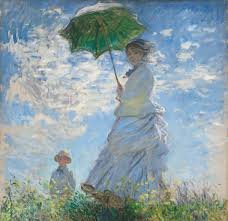
There is perhaps no artistic movement more intrinsically tied to summer than Impressionism. It is a movement defined not by rigid form or historical grandeur, but by light in motion, fleeting beauty, and the quiet luxury of leisure. In a season where days stretch longer and the sun reshapes every surface it touches, Impressionism feels not just relevant—but essential. For those of us working in art and design, the Impressionists offer more than inspiration; they provide a framework for seeing. A way to interpret space, color, and atmosphere that translates seamlessly from canvas to interior. The Birth of a Summer…
-
Since I am currently reading The Lord of the Rings (just started book two of The Two Towers) I wanted to focus on Tolkien for this week’s blog. I have been rather negligent of my other blogs since most of my time is spent working full-time and writing my newest novel, The Lady of Steam and Shadow, 14 chapters so far are available to read on patreon.com/storytimebyrk Here we go: Few writers have shaped modern literature as profoundly as J. R. R. Tolkien. A scholar, linguist, and storyteller of rare depth, Tolkien did not merely write fantasy—he constructed an entire…
-
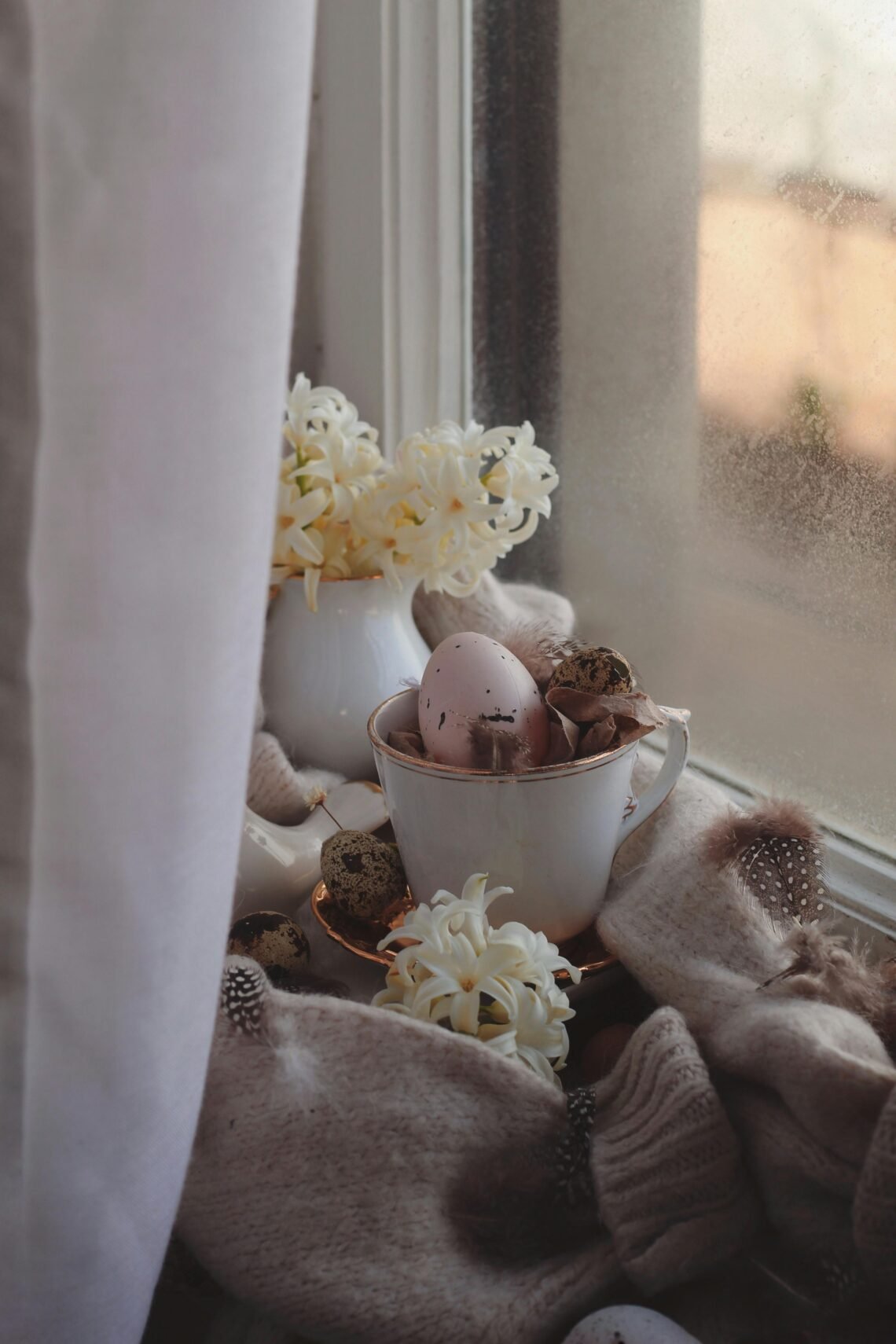
Introduction: The Shift Toward Lightness There is a moment each year when interiors begin to feel heavy—when layered textures, dark tones, and enclosed spaces no longer comfort but confine. Spring design is the answer to that tension. It is not about redecorating entirely, but about rebalancing—introducing light, air, and softness into the spaces we inhabit. Designing for spring is less about trend and more about atmosphere. It asks a simple question: how can a space breathe again? 1. Let There Be Light: The Foundation of Spring Interiors Light is the most transformative element in any interior—and in spring, it becomes…
-
Introduction: The Season of Becoming There is a quiet transformation that arrives each year—soft at first, then undeniable. Spring does not burst onto the scene; it unfolds. Bud by bud, light by light, it reshapes the world. For centuries, artists have tried to capture this fleeting moment of renewal—the tension between what was and what is about to be. In art, spring is not merely a season. It is a language of rebirth, hope, fragility, and awakening. From mythological allegories to Impressionist gardens, the visual and emotional vocabulary of spring has remained one of the most enduring themes in artistic…
-
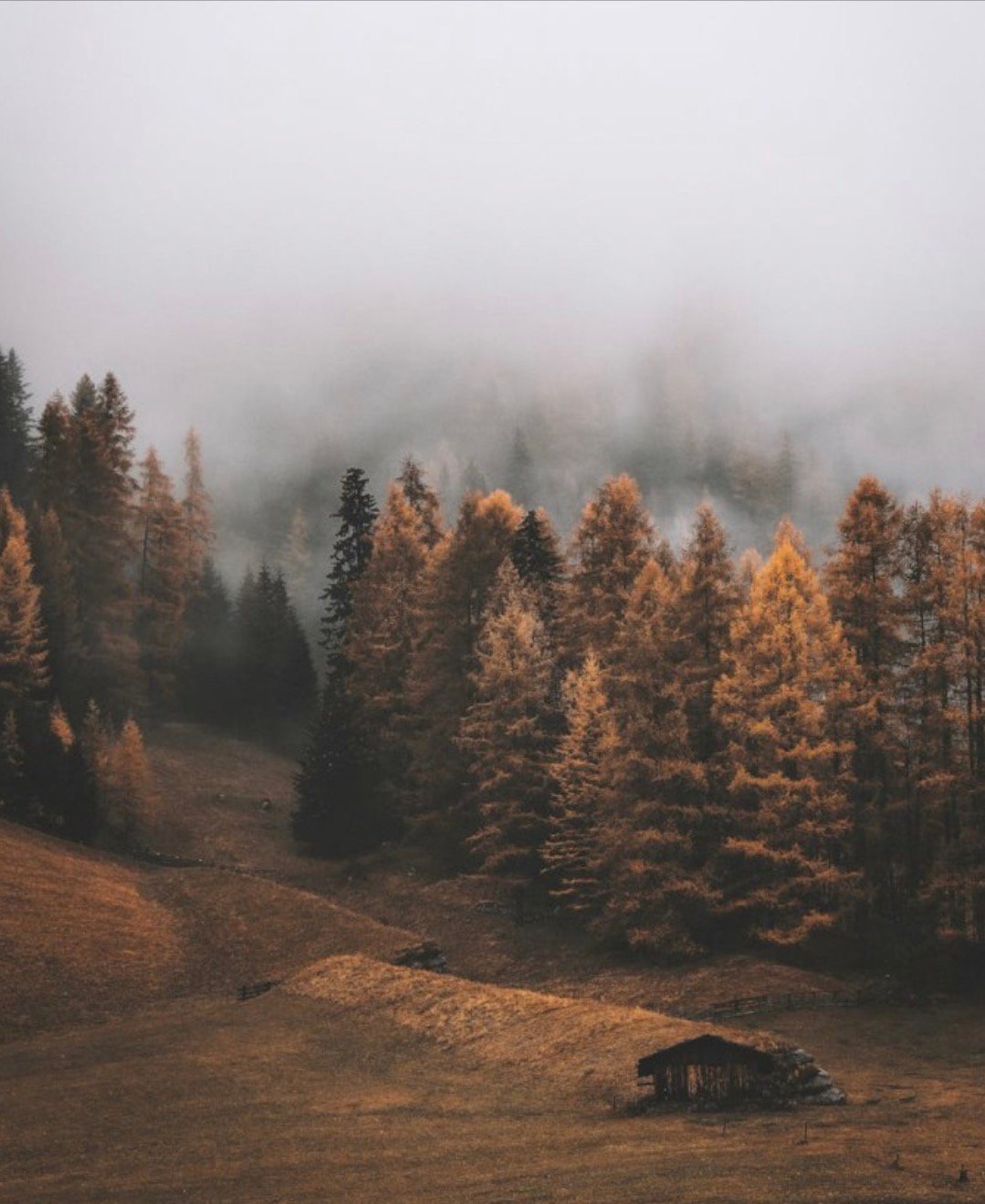
The weather outside… …right now it is a chilly 38 degree Fahrenheit, with cloud streaking across the sunrise looking like deep grey strips of cloth hovering over the horizon. I have come to love a beautiful sunrise. They bring hopes for the day. Spring is here. My favorite type of weather is a crisp autumn day, the sky is clear, except for the passing v of fowl heading south, and the sun warms you still with its brilliant yellow hue. The world is welcoming its winters rest soon to come with shades of rusty orange and crimson. The smell of…
-
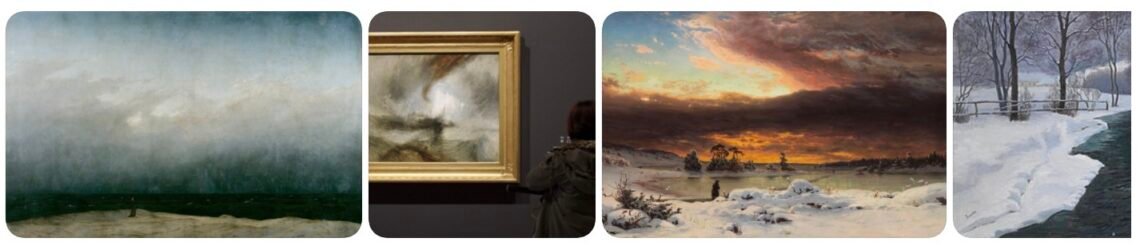
February is often reduced to a commercialized version of romance—roses, chocolates, and fleeting sentiment. But historically and aesthetically, February belongs to something deeper. It belongs to Romanticism. Not romance in the superficial sense, but the 19th-century movement that elevated emotion, nature, longing, solitude, imagination, and the sublime. In art, literature, and design, Romanticism is not soft—it is expansive. It grapples with awe, melancholy, spiritual intensity, and the human need for transcendence. As winter lingers and daylight subtly stretches, February remains the most Romantic month of the year. Here are seven reasons why. 1. February Is the Season of the Sublime…
-
Anne Brontë, the most radical of the sisters, defied the norms of the role of women to the best of her ability at her time.