The Tiny House Movement has captured the imagination of minimalists, sustainability advocates, and those seeking financial freedom. These small yet highly efficient homes—typically between 100 and 400 square feet—are designed to maximize space, reduce clutter, and encourage a more intentional way of living. Whether built on a permanent foundation or a trailer for mobility, tiny houses offer a unique blend of functionality and charm. But while the lifestyle is appealing, it comes with its own set of challenges. Let’s explore the design principles that make tiny houses work, the reasons for their rising popularity, and the realities of living small.…

-
-
When discussing iconic design movements that have shaped modern aesthetics, Bauhaus stands out as a revolutionary force. Originating in Germany in the early 20th century, the Bauhaus school merged art, architecture, and design into a unified vision. Its influence from the 1920s to the 1930s continues to ripple through contemporary interior and exterior design, setting the foundation for modern minimalism, functionalism, and industrial aesthetics. In this post, we will delve into the Bauhaus design style, exploring its principles, signature elements in interior and exterior design, and highlight the prominent designers who pioneered this enduring movement. Let’s go. The Birth of Bauhaus: A Brief Overview Founded in 1919 by Walter Gropius in Weimar,…
-
Do you want to give your home a fresh new look without spending a fortune? Whether you’re renting, saving for a bigger renovation, or just love a good DIY project, there are plenty of budget-friendly interior design hacks to upgrade your space. From clever furniture flips to stylish decor tricks, these ideas will help you transform your home with minimal cost and maximum creativity. 1. Paint: The Ultimate Game-Changer Nothing revamps a room faster than a fresh coat of paint. Whether you’re adding an accent wall, refreshing tired furniture, or even painting your ceiling for a dramatic effect, paint is…
-
Sir Christopher Wren (1632 – 1723) is one of the most celebrated architects in British history, best known for transforming London’s skyline after the Great Fire of 1666. His pioneering designs and visionary approach to architecture helped define the English Baroque style and shaped the city’s identity for centuries to come. Wren’s most famous work, St. Paul’s Cathedral, remains an enduring symbol of British architecture, but his influence extends far beyond this iconic structure. Come with me as we take a deep dive into the life, works, and lasting legacy of Christopher Wren. The Early Life of Christopher Wren Christopher…
-
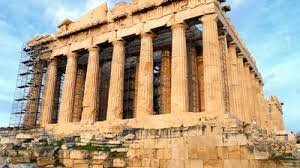
In my small walk through antiquity. I wanted to further look into the architectural designs of the Classic world. When we think of classical Greek architecture, one structure invariably comes to mind: the Parthenon. This iconic temple, perched atop the Acropolis in Athens, stands as a testament to the ingenuity, artistry, and vision of its architects, Ictinus and Callicrates. Though their names may not be as widely recognized as some of history’s other great architects, their contributions to the world of art and design are nothing short of monumental. Travel with me to the ancient past as we delve into…
-
In the ever-evolving world of interior design, materials and finishes play a crucial role in shaping the aesthetic and ambiance of a space. From sustainable options that prioritize eco-conscious living to luxurious choices that exude opulence and sophistication, a few of the latest trends offer a diverse array of possibilities for creating a personalized and stylish environment. Let’s explore some of the most coveted materials and finishes that are currently making waves in the world of design. Sustainable Options: As environmental awareness continues to grow, so does the demand for sustainable materials and finishes. From reclaimed wood and recycled glass…
-
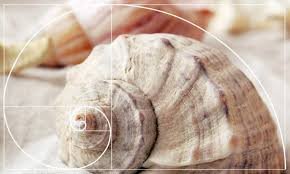
The Golden Ratio, also known as Phi (1.618), is a mathematical concept with a fascinating link to beauty and balance. For centuries, artists, architects, and designers have used it to create visually appealing works. But what exactly is the Golden Ratio, and how can it enhance your designs? What is the Golden Ratio? The Golden Ratio is a specific proportion. If you divide a line into two parts, the longer part divided by the smaller part should equal the whole length divided by the longer part. This ratio, roughly 1.618, is found in nature, art, and design. Why Use the…
-
Cindy Sherman is one of the most influential contemporary photographers, renowned for her thought-provoking work that explores themes of identity, gender, and societal roles. By using herself as the subject in meticulously staged photographs, Sherman challenges the viewer to question how images, especially those in media and culture, shape our understanding of identity and reality. I had never heard about her myself so together let’s delve into Sherman’s artistic journey, her groundbreaking series, and the enduring impact of her work. Early Life and Artistic Beginnings Cindy Sherman was born on January 19, 1954, in Glen Ridge, New Jersey, and raised…
-
Michelangelo Buonarroti, one of the most celebrated artists of the Renaissance, left an indelible mark on art history. Known for his breathtaking sculptures, monumental frescoes, and profound architectural designs, Michelangelo embodied the spirit of the Renaissance—a period of rediscovery, innovation, and artistic brilliance. Come with me as we explore Michelangelo’s life, artistic achievements, and the enduring legacy of his work. A Brief Biography Michelangelo was born on March 6, 1475, in Caprese, Italy. Despite his father’s hopes that he would enter a more conventional career, Michelangelo was drawn to art from an early age. At 13, he apprenticed under Domenico…
-
Creative Process The journey from a fleeting idea to a finished artwork is as varied as the artists who undertake it. Each creative process is unique, shaped by personal experiences, artistic philosophies, and chosen mediums. Understanding these diverse approaches can inspire artists and art enthusiasts alike to appreciate the depth and dedication behind every masterpiece. 1. Finding Inspiration: The Seed of Creativity Every piece of art begins with inspiration, which can strike in countless ways. Some artists find their muse in nature, others in human emotion, societal issues, or even abstract concepts. • Observation: Many artists, like Claude Monet, draw…