• Blog

    Irving Penn: The Master of Elegance, Simplicity, and Modern Photography

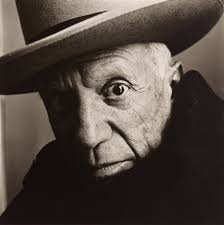
    Few photographers shaped twentieth-century visual culture with the precision and quiet sophistication of Irving Penn. Known for his minimalist compositions, masterful portraiture, fashion editorials, and still life photography, Penn helped redefine what professional photography could achieve artistically and commercially. Over a career spanning more than sixty years, Penn produced images that balanced refinement with emotional depth. His photographs appeared in fashion magazines, museums, advertising campaigns, and galleries around the world, influencing generations of photographers, designers, and visual artists. Today, his work remains celebrated for its clarity, technical perfection, and timeless sense of elegance. Early Life and Artistic Training Irving Penn…
  • #art - #artanddesign - #artist - #designblog - Blog - cultural

    Impressionism and Summer: Why Light and Leisure Still Inspire Design

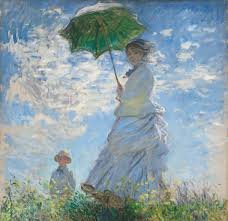
    There is perhaps no artistic movement more intrinsically tied to summer than Impressionism. It is a movement defined not by rigid form or historical grandeur, but by light in motion, fleeting beauty, and the quiet luxury of leisure. In a season where days stretch longer and the sun reshapes every surface it touches, Impressionism feels not just relevant—but essential. For those of us working in art and design, the Impressionists offer more than inspiration; they provide a framework for seeing. A way to interpret space, color, and atmosphere that translates seamlessly from canvas to interior. The Birth of a Summer…

  • #art - #artanddesign - #designblog - #interiordesign

    The Art of Renewal: How Spring Has Inspired Designers and Artists Through History

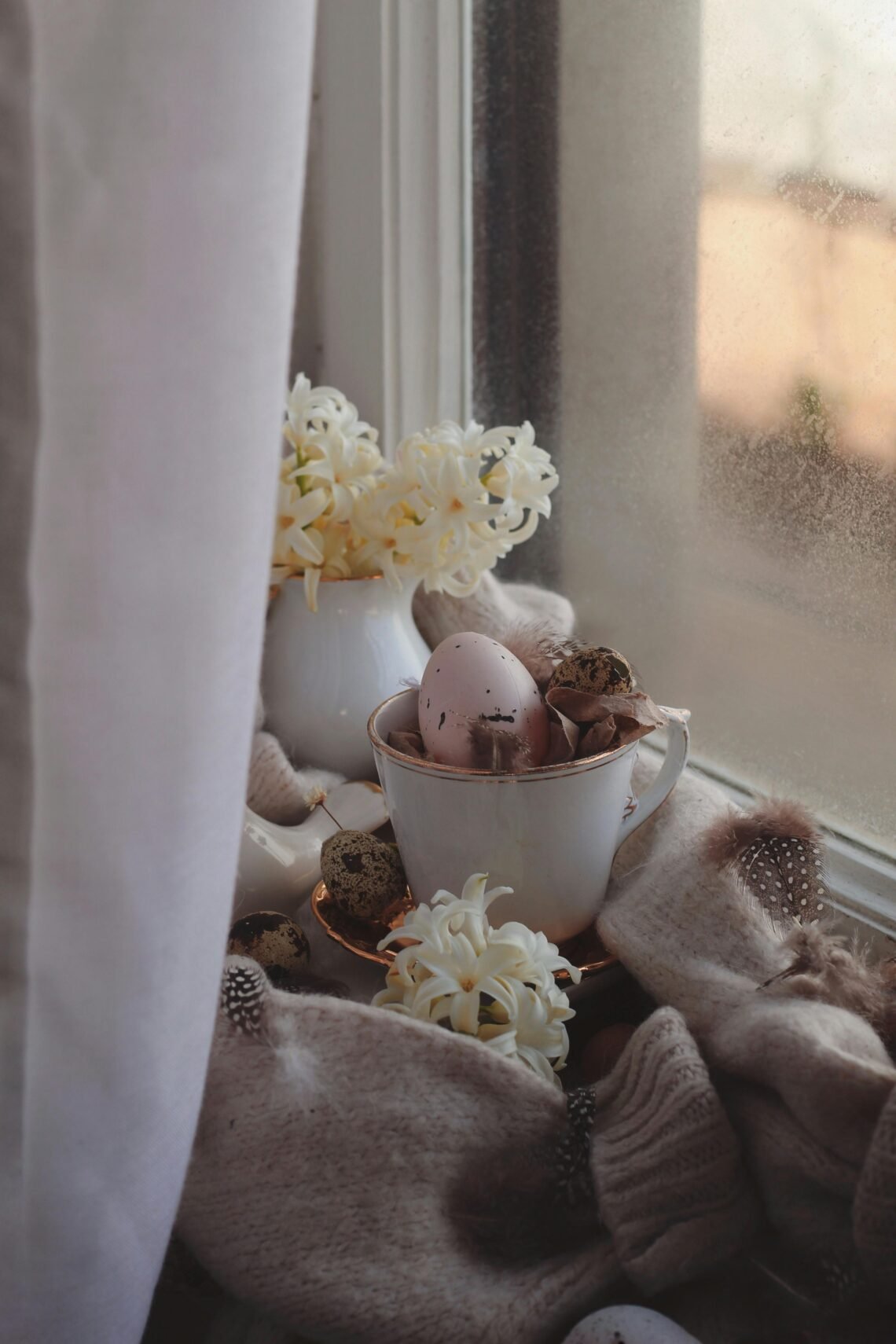
    Introduction: The Season of Becoming There is a quiet transformation that arrives each year—soft at first, then undeniable. Spring does not burst onto the scene; it unfolds. Bud by bud, light by light, it reshapes the world. For centuries, artists have tried to capture this fleeting moment of renewal—the tension between what was and what is about to be. In art, spring is not merely a season. It is a language of rebirth, hope, fragility, and awakening. From mythological allegories to Impressionist gardens, the visual and emotional vocabulary of spring has remained one of the most enduring themes in artistic…

  • #designblog - Blog

    Romanticism Revisited: 7 Reasons Why February Still Belongs to the Romantics

    February is often reduced to a commercialized version of romance—roses, chocolates, and fleeting sentiment. But historically and aesthetically, February belongs to something deeper. It belongs to Romanticism. Not romance in the superficial sense, but the 19th-century movement that elevated emotion, nature, longing, solitude, imagination, and the sublime. In art, literature, and design, Romanticism is not soft—it is expansive. It grapples with awe, melancholy, spiritual intensity, and the human need for transcendence. As winter lingers and daylight subtly stretches, February remains the most Romantic month of the year. Here are seven reasons why. 1. February Is the Season of the Sublime…

  • #artanddesign - #artist - Blog

    Winter Art Movements to Explore

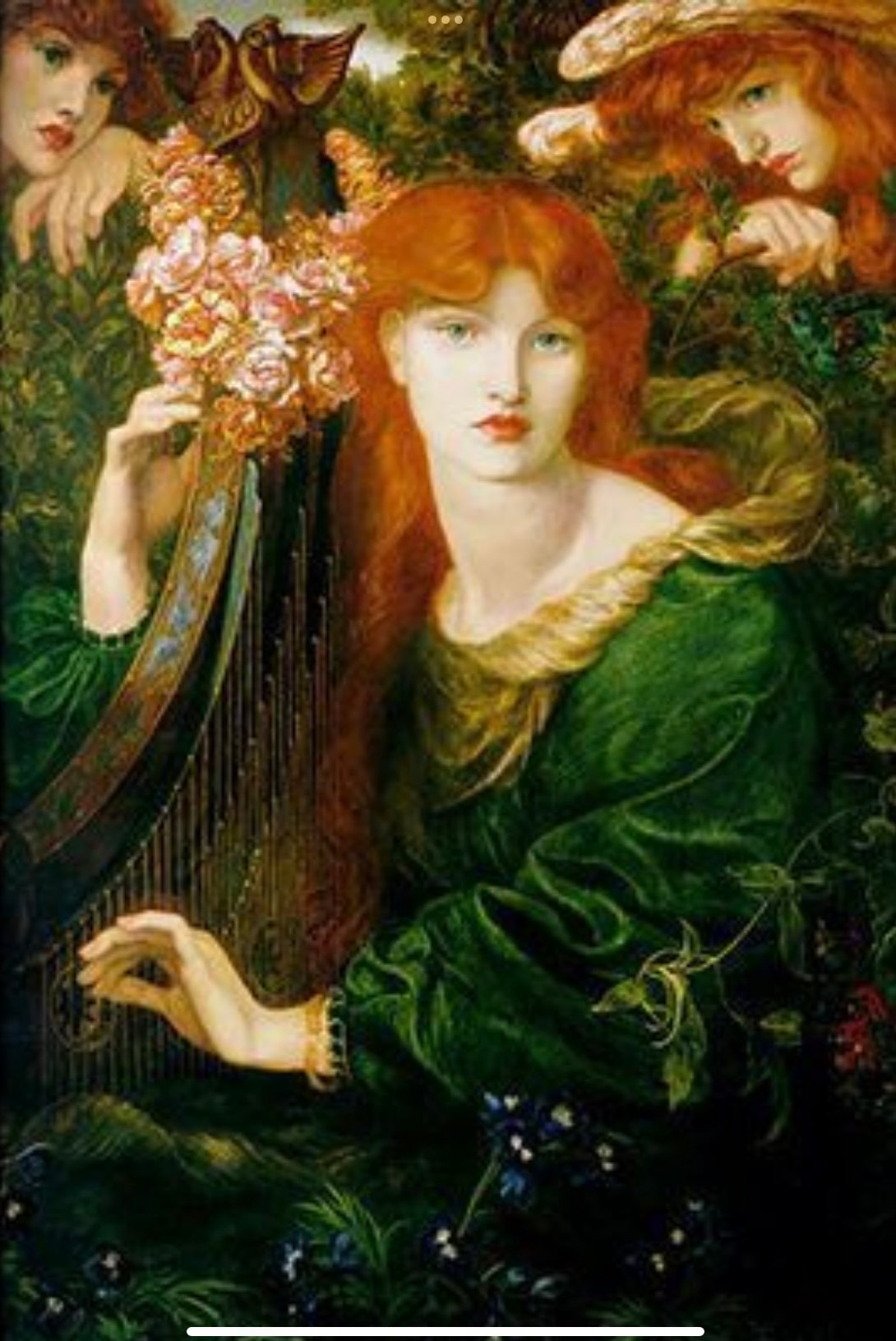
    Aestheticism, Romantic Landscapes, and Dutch Winter Scenes Winter has long stirred artists toward introspection, restraint, and emotional depth. Snow-covered fields, hushed interiors, and frost-bitten horizons offer a visual language uniquely suited to mood, symbolism, and beauty for beauty’s sake. For artists, designers, and art lovers alike—especially those drawn to atmosphere and storytelling—winter art movements provide enduring inspiration. Below are three winter-aligned movements worth exploring this season, each offering its own visual philosophy and emotional temperature. Enjoy. Aestheticism: Beauty in Stillness Emerging in the late 19th century, Aestheticism championed the idea of “art for art’s sake.” Rather than moral narratives or historical grandiosity, aesthetic artists…

  • #artanddesign - Blog - cultural - Photography

    Fan Ho: Light, Shadow, and the Poetic Streets of 1950s Hong Kong

    For this week’s blog post, I wanted to write about a photographer who I had never heard of — Fan Ho. Let’s dive right in… It was in the middle of Hong Kong’s post-war boom, amid the noise of trams, crowded markets, and climbing skyscrapers, that this man carried a Rolleiflex camera and transformed chaos into quiet poetry. His black-and-white photographs from the 1950s and 1960s remain some of the most hauntingly beautiful depictions of urban life ever created. With an artist’s eye for geometry and a poet’s sensitivity to human presence, Fan Ho made the ordinary streets of Hong…

  • #artanddesign - #artist

    Cosimo Tura: The Visionary of Ferrara and the Birth of a Distinctive Renaissance Style

    A Singular Voice in the Italian Renaissance While Florence had Botticelli and Leonardo, and Venice would soon boast Bellini and Giorgione, the small court of Ferrara in northern Italy fostered its own brilliant, if lesser-known, school of painting. At its heart stood Cosimo Tura (c.1430–1495)—a painter of rare imagination whose work fused Gothic elegance with a restless, metallic energy that set him apart from his contemporaries. Known as Il Cosmè, Tura’s paintings are unforgettable: figures clad in sculptural draperies that seem hammered from bronze, faces with crystalline expressions, and landscapes glowing with eerie, supernatural light. His art defied easy classification—it was both austere and…

  • #artanddesign - #interiordesign

    The Timeless Art of Tile: A History and Exploration of Ceramic and Other Tile Traditions

    Tile has long held a place in human history—not just as a practical material but also as a medium for art, storytelling, and cultural expression. From ancient temples to modern kitchens, tile has bridged the gap between functionality and beauty, offering surfaces that endure while capturing the essence of artistic traditions across civilizations. Ancient Origins of Tile The story of tile begins thousands of years ago. Some of the earliest examples come from Mesopotamia and Egypt, where artisans decorated clay bricks with intricate patterns and glazes. By 4000 BCE, Egyptians were producing glazed bricks in vibrant turquoise blues, often used to adorn tombs…

  • #artanddesign - #designblog - #interiordesign

    Gothic Design with a Modern Twist: How to Use Shadows, Light, and Contemporary Elegance

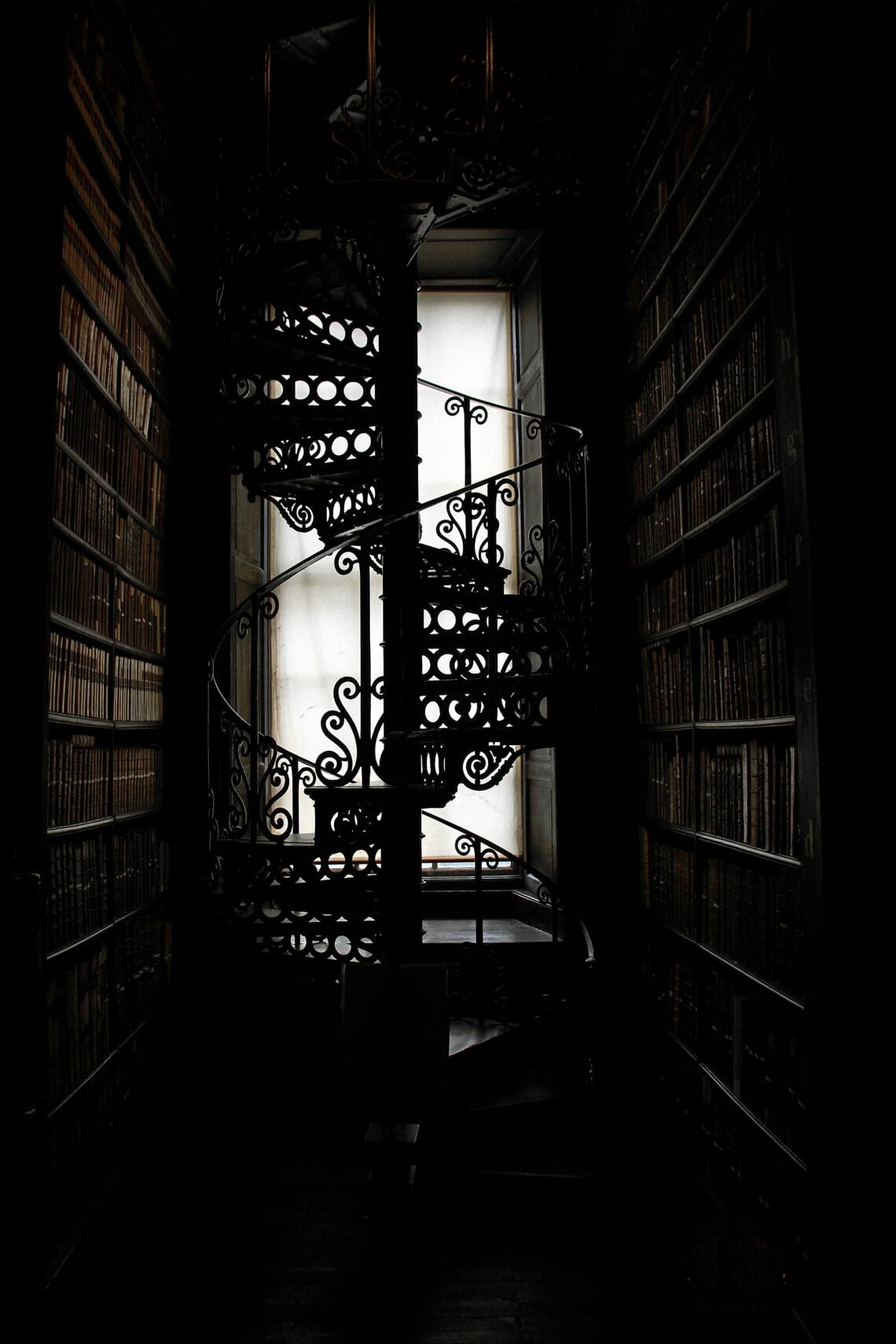
    When we think of Gothic design, our minds often conjure images of medieval cathedrals, shadowy castles, and ornate tracery glowing in candlelight. But Gothic design isn’t just locked away in history—it’s experiencing a modern revival, reimagined for contemporary interiors, architecture, and lifestyle aesthetics. The Gothic Spirit, Reborn At its heart, Gothic design is about contrast—dark against light, mystery against clarity, intricacy against minimalism. Modern reinterpretations lean into this duality by blending the dramatic allure of Gothic arches, pointed windows, and ornate detailing with clean lines, open spaces, and sleek finishes. Imagine blackened steel staircases paired with floor-to-ceiling windows, or traditional…

  • #artanddesign - #artist - #interiordesign - Blog

    A Luminous Legacy: The History and Art of Stained Glass

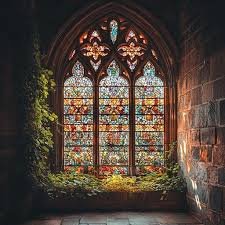
    Few art forms have the ability to transform light into pure storytelling like stained glass. From the jewel-toned windows of Gothic cathedrals to the sleek geometric designs of modern architecture, stained glass has illuminated sacred spaces, civic buildings, and private homes for over a thousand years. Its history is not just a tale of artistry—it’s a chronicle of technological innovation, cultural symbolism, and enduring human fascination with light. Ancient Origins: Glass Before Color The story of stained glass begins long before the Middle Ages. Ancient civilizations such as the Egyptians and Romans mastered the production of colored glass, using metallic…