Anne Brontë, the most radical of the sisters, defied the norms of the role of women to the best of her ability at her time.
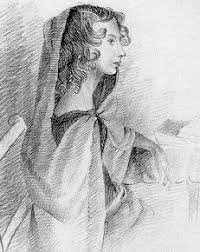
Anne Brontë, the most radical of the sisters, defied the norms of the role of women to the best of her ability at her time.
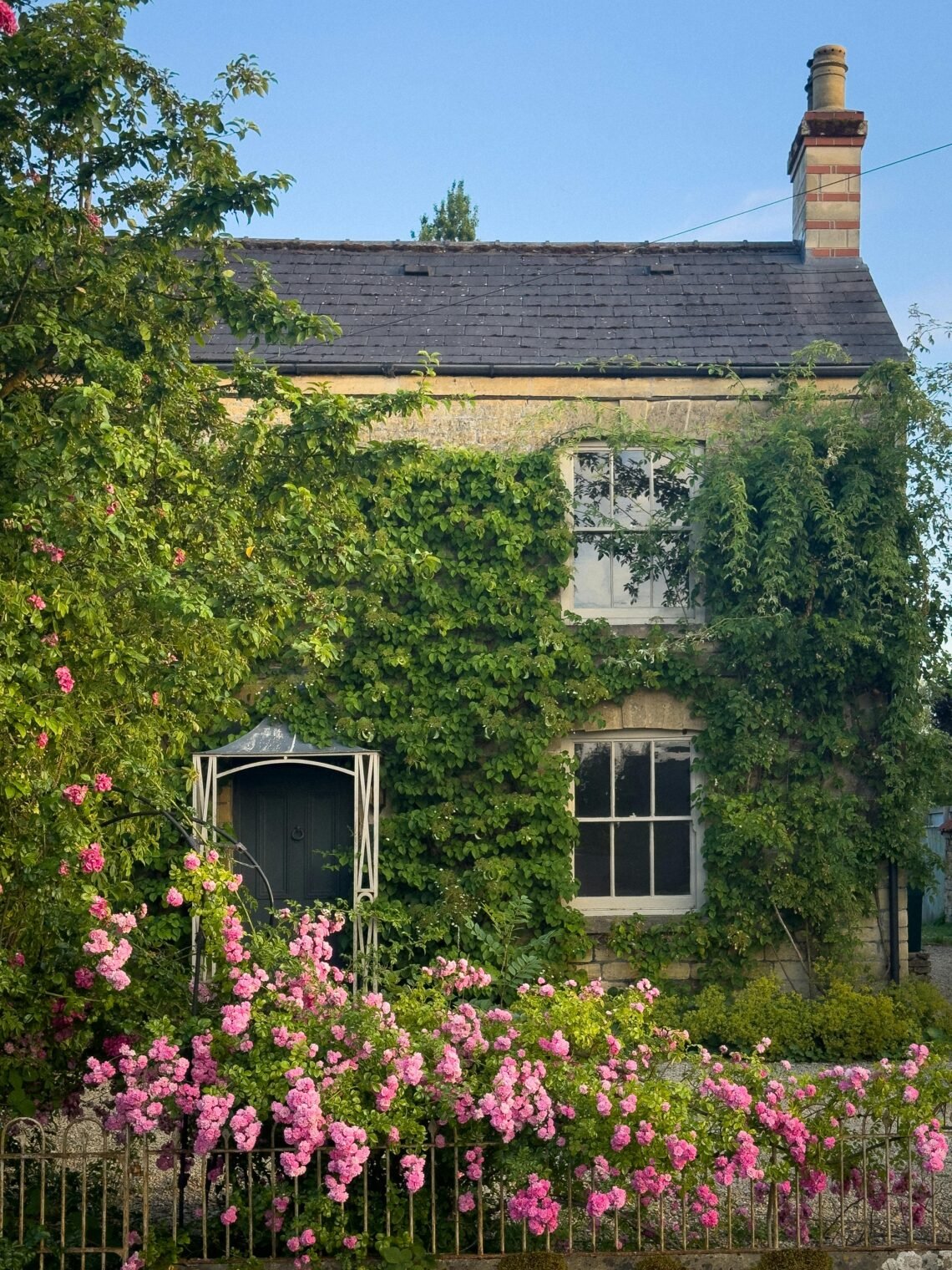
Traditional design is not merely an aesthetic; it is a philosophy rooted in continuity, craftsmanship, and cultural memory. Among its most evocative expressions is English country style—a look shaped by centuries of landed estates, equestrian life, inherited objects, and a reverence for the patina of time. Few modern designers have interpreted and sustained this tradition with as much conviction and global influence as Ralph Lauren. Through both fashion and interiors, Lauren has crafted a world that feels at once aspirational and deeply familiar, blending aristocratic restraint with lived-in comfort. Understanding Traditional Design Traditional interiors are defined by balance, symmetry, and…
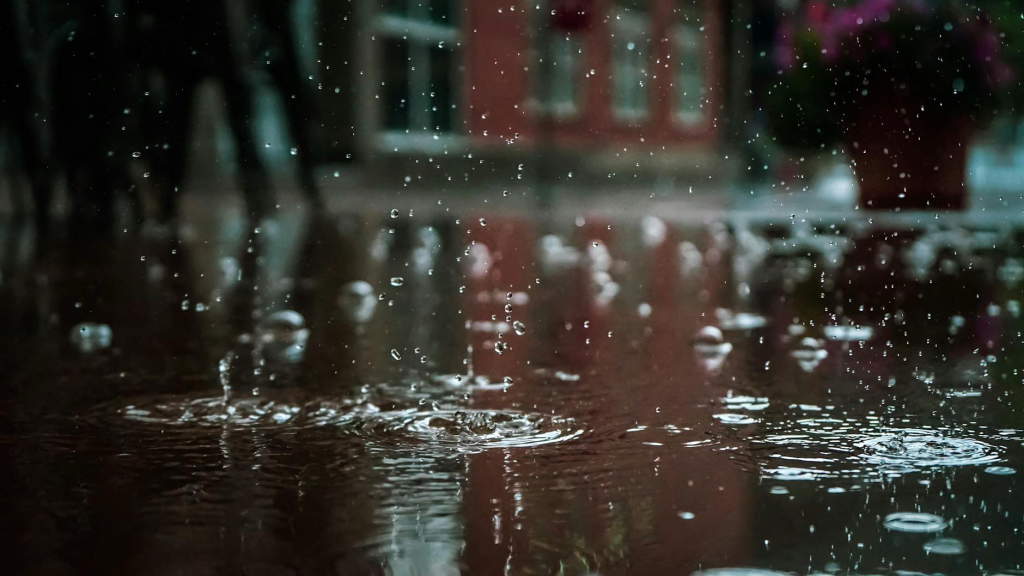
Currently, I’m dealing with an asthma flair and feeling quite miserable. As it is a holiday, my pulmonologist office is closed but left them a message. Since I have already answered this prompt I wanted to write about what I like to do on rainy days — like today. I am feeling sick and it’s my Sunday. The ground is wet and the sky is gray, a chilly 34 degrees outside. I’m am rewatching last season of Father Brown on BritBox in preparation for the new season starting next month. The character just mentioned that the code on the wall…
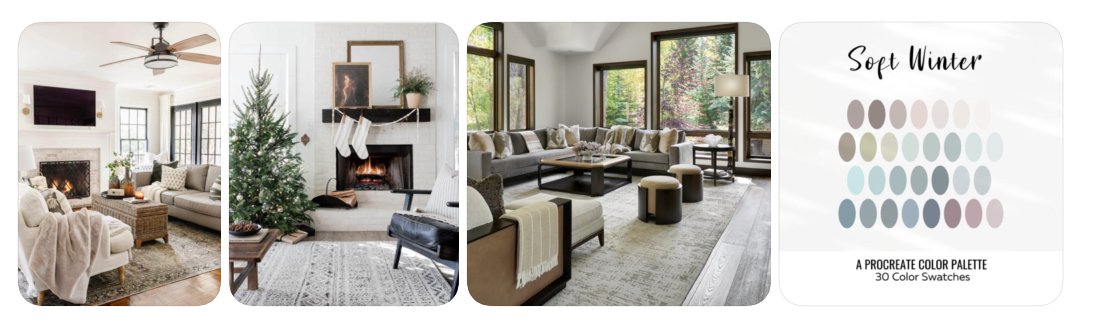
January is the quiet inhale after December’s long exhale. The ornaments are packed away, the lights dimmed, and what remains is the home itself—its bones, its textures, its ability to hold us through the coldest weeks of the year. This is not a month for dramatic reinvention. January interiors are about refinement, warmth, and intention. About learning how to live well inside the pause. Rather than rushing to replace what the holidays have taken away, winter asks us to layer like the snow outside the window —to soften rooms, deepen comfort, and let light move gently through our spaces. Designing for…
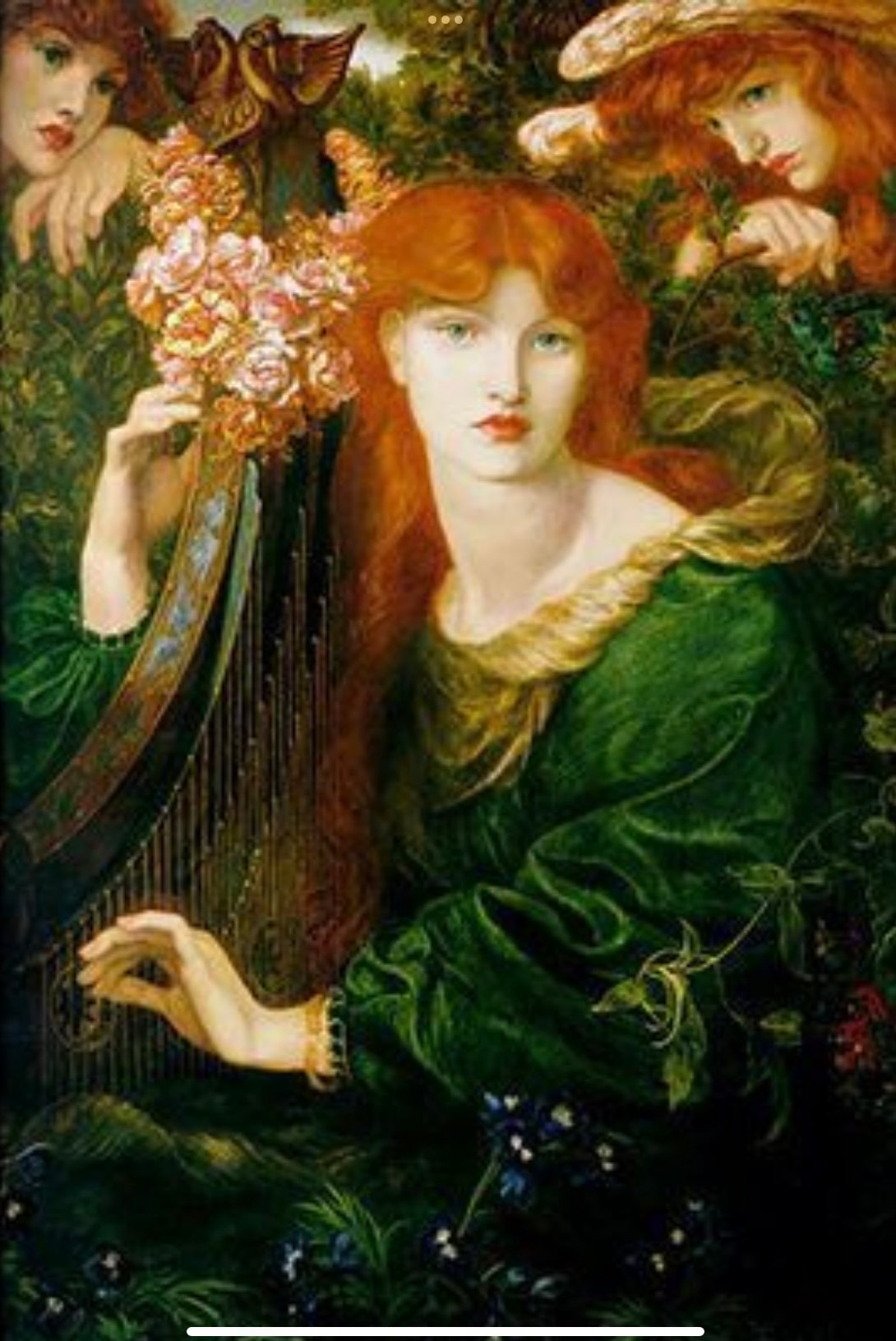
Aestheticism, Romantic Landscapes, and Dutch Winter Scenes Winter has long stirred artists toward introspection, restraint, and emotional depth. Snow-covered fields, hushed interiors, and frost-bitten horizons offer a visual language uniquely suited to mood, symbolism, and beauty for beauty’s sake. For artists, designers, and art lovers alike—especially those drawn to atmosphere and storytelling—winter art movements provide enduring inspiration. Below are three winter-aligned movements worth exploring this season, each offering its own visual philosophy and emotional temperature. Enjoy. Aestheticism: Beauty in Stillness Emerging in the late 19th century, Aestheticism championed the idea of “art for art’s sake.” Rather than moral narratives or historical grandiosity, aesthetic artists…

For this week’s blog post, I wanted to write about a photographer who I had never heard of — Fan Ho. Let’s dive right in… It was in the middle of Hong Kong’s post-war boom, amid the noise of trams, crowded markets, and climbing skyscrapers, that this man carried a Rolleiflex camera and transformed chaos into quiet poetry. His black-and-white photographs from the 1950s and 1960s remain some of the most hauntingly beautiful depictions of urban life ever created. With an artist’s eye for geometry and a poet’s sensitivity to human presence, Fan Ho made the ordinary streets of Hong…
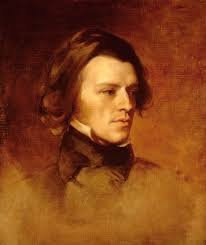
Alfred, Lord Tennyson (1809–1892) is often thought of as the quintessential Victorian poet: solemn, moral, deeply religious (or spiritually conflicted), and a poetic voice enshrined in the nation’s imagination. But behind that public persona lies a more turbulent, restless, and fascinating inner life — one that has lately received renewed attention from biographers and literary historians. In 2025, Richard Holmes published The Boundless Deep: Young Tennyson, Science and the Crisis of Belief, which re-casts Tennyson’s early years through the lens of scientific upheaval, existential anxiety, and emotional intensity. In doing so, Holmes teases out lesser-known details and contradictions that complicate the familiar myth…
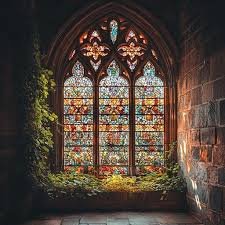
Few art forms have the ability to transform light into pure storytelling like stained glass. From the jewel-toned windows of Gothic cathedrals to the sleek geometric designs of modern architecture, stained glass has illuminated sacred spaces, civic buildings, and private homes for over a thousand years. Its history is not just a tale of artistry—it’s a chronicle of technological innovation, cultural symbolism, and enduring human fascination with light. Ancient Origins: Glass Before Color The story of stained glass begins long before the Middle Ages. Ancient civilizations such as the Egyptians and Romans mastered the production of colored glass, using metallic…
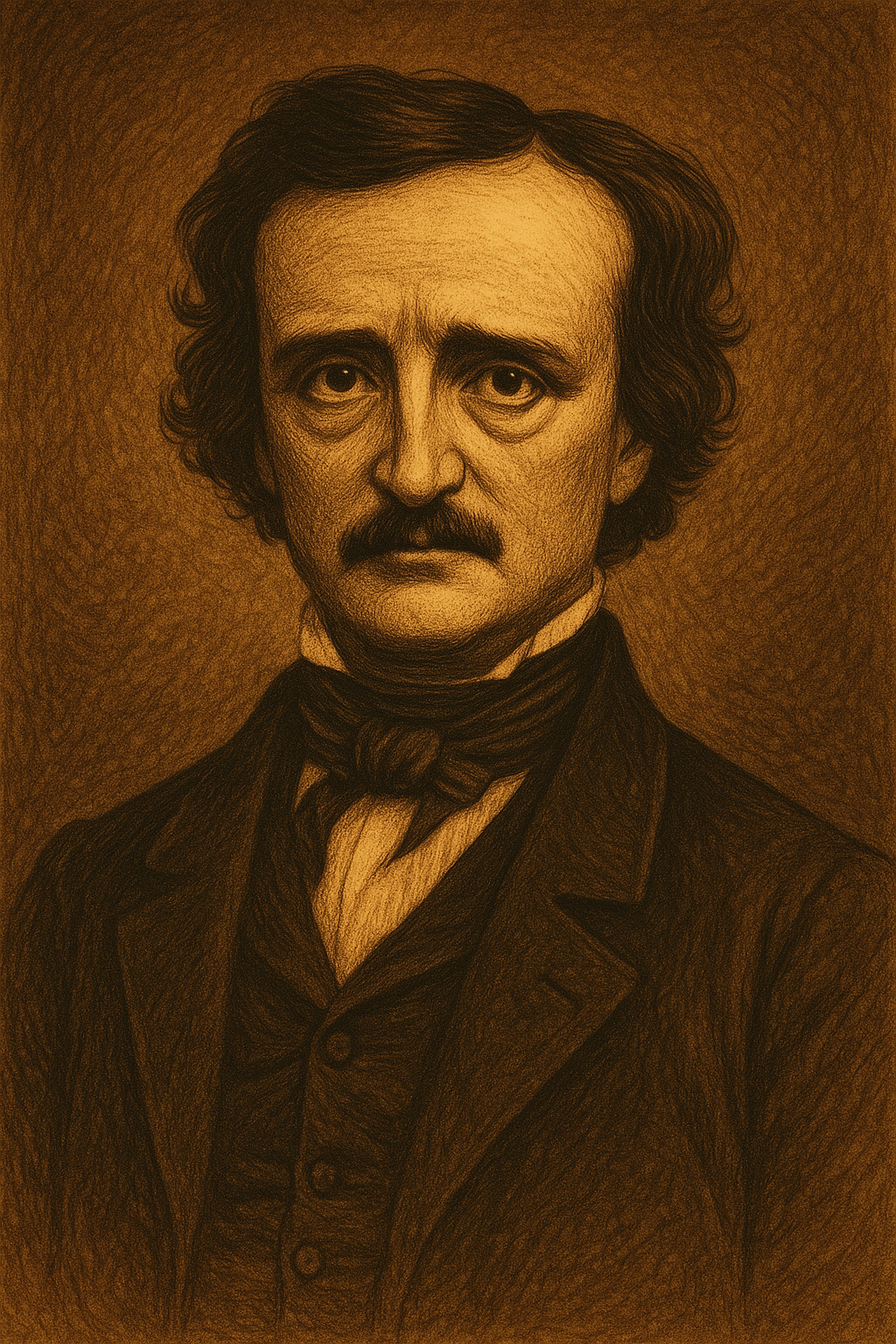
Let’s travel into a tiny portion within the world of Gothic literature. When one thinks of Gothic literature, shadowed corridors, and the haunting echo of a beating heart beneath floorboards, one name inevitably rises from the depths—Edgar Allan Poe. Far beyond being simply a writer of the macabre, Poe was an artist of atmosphere. His works are as much about design as they are about narrative, crafting emotional architecture through language, structure, and tone. Poe is an intriguing study in how literary composition mirrors visual composition: balance, contrast, mood, and detail. He is both an intriguing and somber subject for this week’s…

From grainy daguerreotypes to high-resolution digital imagery, photography has transformed the way we see and understand the world. More than just a technological achievement, photography is a powerful art form, a witness to history, and a mirror of human expression. In this post, let’s journey through the evolution of photography—its milestones, innovations, and the legendary photographers who helped shape its artistic legacy. 1. The Birth of Photography: Capturing Light and Time The roots of photography stretch back to the camera obscura, a device used as early as the 11th century to project images onto a surface. But it wasn’t until the 19th century that…