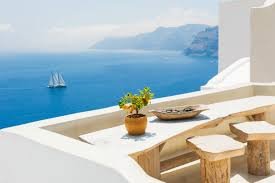
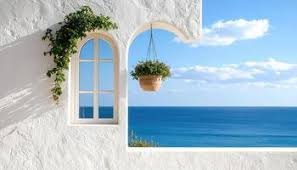
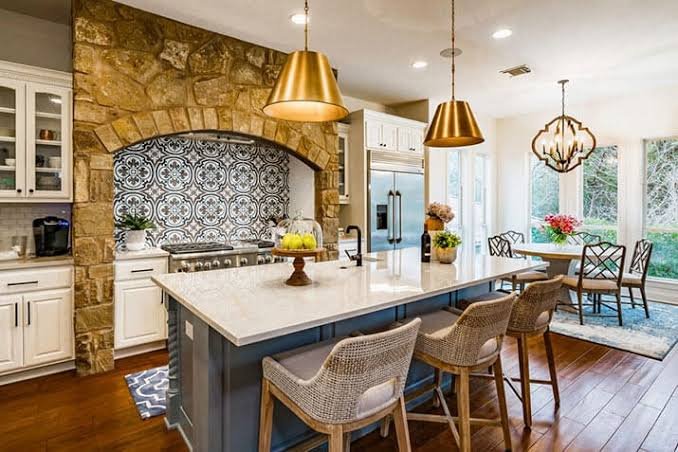
The Mediterranean kitchen is not simply a place to cook—it is a space shaped by ritual, season, and the quiet rhythm of daily life. In summer, it becomes something more: open, sunlit, and deeply connected to the outdoors. Unlike modern kitchens that often prioritize sleekness and concealment, Mediterranean kitchens embrace material honesty, visible function, and lived-in beauty. They are designed to be used, not staged—where preparation, gathering, and conversation unfold seamlessly. Let’s dive into some fundamentals of designing a kitchen with a Mediterranean flair. A Foundation of Stone, Plaster, and Time At the heart of a Mediterranean kitchen is its…
-
-
Coastal design has long been synonymous with summer—salt air, sun-bleached textures, and an easy sense of escape. Yet somewhere along the way, the style became diluted into predictable motifs: anchors, rope décor, overt nautical stripes, and an overreliance on bright blues and whites. True coastal design, however, is far more nuanced. It is not about decorating with the sea—it is about capturing its atmosphere. The softness of light, the erosion of materials, the quiet palette of sand, stone, and sky. When approached with restraint and intention, coastal influence becomes one of the most sophisticated and enduring design languages for summer. Moving…
-
There is a particular kind of beauty found along the Mediterranean—one that feels both ancient and effortless. It is not polished in the modern sense, nor is it overly styled. Instead, it is layered by time, shaped by climate, and softened by light. To design a Mediterranean-inspired summer room is not to replicate a place, but to interpret a philosophy: simplicity enriched by texture, light as a central feature, and materials that feel inherently connected to the earth. This approach aligns seamlessly with elevated coastal design, offering a more grounded, architectural expression of summer living. The Foundation: Architecture as Atmosphere…
-
Discover the warmth of Mediterranean interior design and architecture—earthy palettes, natural materials, and timeless elegance. Explore influences from Palladio to India Mahdavi.
-
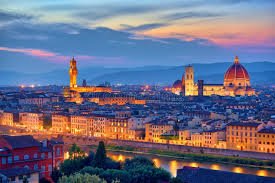
The Italian Renaissance—spanning from the 14th to the 17th century—was a period of extraordinary cultural rebirth. It wasn’t merely an artistic movement; it was a revolution in thought, aesthetics, and craftsmanship. This golden era, born in cities like Florence, Rome, and Venice, reshaped not only how people saw the world but also how they built, decorated, and lived in it. From breathtaking frescoes to symmetrical architecture and lavish interiors, the design sensibilities of the Renaissance reflect a deep reverence for classical antiquity, humanism, and harmonious proportion. Let’s dive into the rich tapestry of this iconic period’s art, interior design, and…