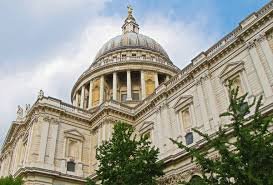
Sir Christopher Wren (1632 – 1723) is one of the most celebrated architects in British history, best known for transforming London’s skyline after the Great Fire of 1666. His pioneering designs and visionary approach to architecture helped define the English Baroque style and shaped the city’s identity for centuries to come. Wren’s most famous work, St. Paul’s Cathedral, remains an enduring symbol of British architecture, but his influence extends far beyond this iconic structure. Come with me as we take a deep dive into the life, works, and lasting legacy of Christopher Wren. The Early Life of Christopher Wren Christopher…
-
-
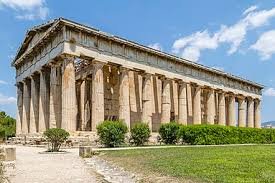
In my small walk through antiquity. I wanted to further look into the architectural designs of the Classic world. When we think of classical Greek architecture, one structure invariably comes to mind: the Parthenon. This iconic temple, perched atop the Acropolis in Athens, stands as a testament to the ingenuity, artistry, and vision of its architects, Ictinus and Callicrates. Though their names may not be as widely recognized as some of history’s other great architects, their contributions to the world of art and design are nothing short of monumental. Travel with me to the ancient past as we delve into…
-
The Classical period of architecture, spanning roughly from the 5th century BCE to the 3rd century CE, remains one of the most influential eras in the history of building design. Rooted in the civilizations of Ancient Greece and Rome, Classical architecture is characterized by its emphasis on symmetry, proportion, and the pursuit of ideal beauty. The period gave rise to some of the most iconic architectural structures, many of which continue to inspire contemporary designs. At the heart of this architectural tradition is Vitruvius, a Roman architect and engineer whose treatise, De Architectura (commonly known as The Ten Books on…